
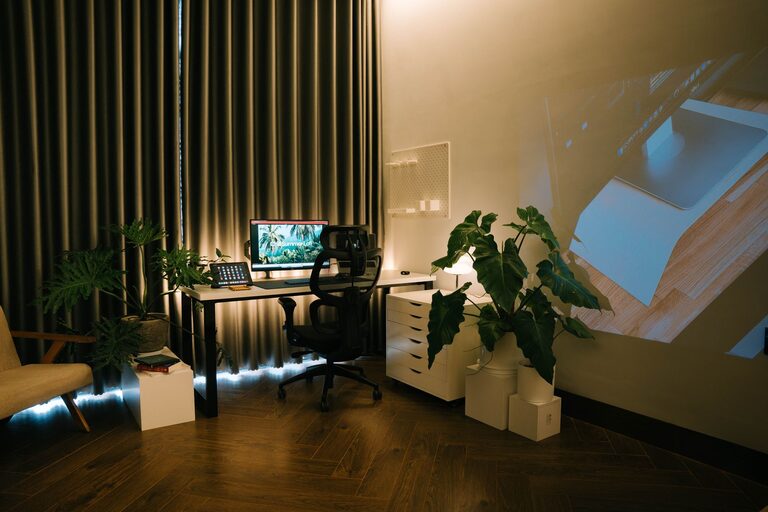
Creating a relaxing home workspace is essential for maintaining focus, reducing stress, and enjoying your work-from-home experience. Whether you’re working remotely full-time or occasionally need a dedicated area for tasks, designing a space that feels calm and organized can make a big difference in your productivity and well-being. In this post, we’ll explore practical ways to create a relaxing home workspace that suits your needs.
Why a Relaxing Workspace Matters
Your environment has a direct impact on your mood and how well you can concentrate. A cluttered or uncomfortable space can cause distractions, increase stress, and lower motivation. On the other hand, a space designed to promote calm and comfort helps you feel more centered and productive throughout the day.
Choosing the Right Location
Prioritize Natural Light
If possible, set up your workspace near a window. Natural light boosts mood, increases alertness, and reduces eye strain. Position your desk so that the light falls on your workspace without causing glare on your computer screen.
Consider Noise Levels
Select a quiet corner of your home to minimize distractions. If household noise is unavoidable, consider using noise-canceling headphones or soft background music to maintain focus.
Utilize Available Space Wisely
You don’t need a large room to create a relaxing workspace. Even small nooks or corners can work with the right setup. Assess your available space and find a spot where you feel comfortable and can set up a desk.
Designing for Comfort and Functionality
Invest in Ergonomic Furniture
An ergonomic chair and desk setup will support your posture and prevent discomfort during long work sessions. Adjustable chairs with lumbar support and desks at the correct height can reduce the risk of back and neck pain.
Keep Essentials Within Reach
Organize your tools and supplies so that everything you need is easily accessible. Use desk organizers, shelves, or drawers to keep your items tidy and reduce clutter that can cause stress.
Incorporate Personal Touches
Adding a few personal items, like photos, plants, or artwork, can make your workspace feel inviting and inspire creativity. Choose items that bring you joy without causing distraction.
Creating a Calming Atmosphere
Use Soothing Colors
Colors can affect your mood and energy levels. Soft, muted shades such as light blues, greens, or pastels create a relaxing environment. Consider painting your walls or incorporating these colors through decor.
Add Greenery
Indoor plants not only improve air quality but also create a calming, natural atmosphere. Easy-to-care-for plants like succulents or pothos are great options for any home office.
Manage Lighting Wisely
In addition to natural light, use adjustable lamps or soft lighting to reduce eye strain and create a cozy ambiance during early mornings or late evenings.
Minimizing Distractions
Declutter Regularly
A clutter-free workspace helps clear your mind. Schedule regular tidying sessions to maintain an organized environment.
Limit Digital Interruptions
Turn off unnecessary notifications or use apps that block distracting websites during work hours to maintain focus.
Set Boundaries
If you share your home with others, communicate your work hours and request quiet times to ensure minimal disruptions.
Adding Relaxation Practices to Your Routine
Take Short Breaks
Incorporate short breaks throughout your workday to stretch, breathe deeply, or simply rest your eyes. This helps prevent burnout and keeps your mind fresh.
Practice Mindfulness or Meditation
A few minutes of mindfulness or meditation in your workspace can reduce stress and increase clarity.
Play Soft Background Music
Gentle instrumental music or nature sounds can help maintain concentration and produce a calming atmosphere.
Organizing for Success
Use Storage Solutions
Shelves, filing cabinets, and bins help keep paperwork and supplies in order, reducing visual chaos.
Label Your Supplies
Clear labeling simplifies finding what you need and keeps your workspace running smoothly.
Plan Your Workspace Layout
Arrange your desk and equipment to maximize efficiency and comfort, keeping frequently used items close at hand.
Final Thoughts
A relaxing home workspace contributes to both your productivity and overall well-being. By choosing the right location, designing for comfort, minimizing distractions, and adding calming elements, you can create an environment that supports your best work. Remember to personalize your space and maintain an organized setup to keep stress at bay and focus strong.
Taking the time to build a workspace that works for you is a valuable investment in your daily routine. Start small and make adjustments as you go—your perfect relaxing home workspace is within reach!