
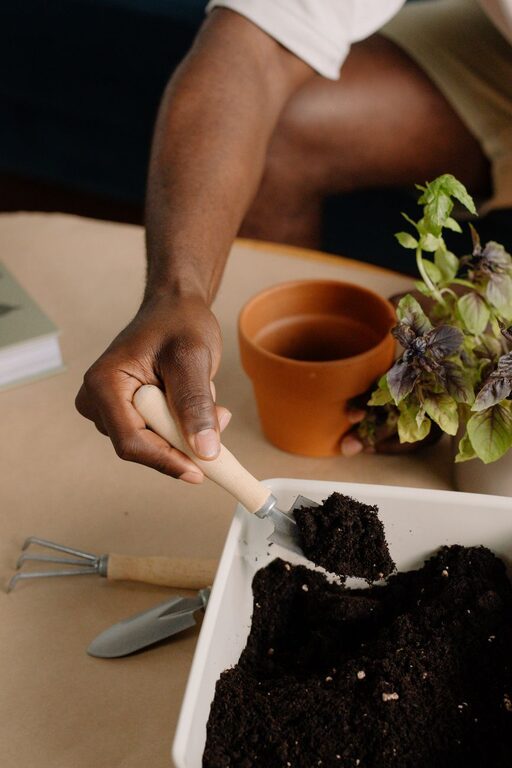
Starting a small herb garden indoors is a rewarding and practical way to bring fresh flavors into your kitchen year-round. Whether you have a spacious home or just a sunny windowsill, growing herbs indoors can be simple and enjoyable. This guide will walk you through everything you need to know to create a healthy, flourishing indoor herb garden.
Why Grow Herbs Indoors?
Growing herbs indoors gives you easy access to fresh ingredients for cooking, teas, and even natural remedies. It’s also a great way to add greenery to your living space, improve air quality, and enjoy gardening without the outdoor challenges like pests or changing weather. Plus, growing your own herbs can save money compared to buying fresh herbs regularly.
Choosing the Right Herbs for Indoor Gardening
Some herbs thrive better indoors than others due to lighting and space requirements. Here are some popular, easy-to-grow herbs perfect for indoor gardens:
– Basil: Loves sunlight and warmth; great for Italian dishes.
– Mint: Grows quickly and spreads easily; perfect for teas and desserts.
– Parsley: Hardy and nutritious, great for garnishing.
– Chives: Requires minimal care and adds a mild onion flavor.
– Thyme: Tolerates lower light and infrequent watering.
– Cilantro: Prefers cooler temperatures and plenty of sunlight.
– Oregano: Thrives indoors and pairs well with Mediterranean dishes.
Selecting Containers and Soil
Containers
Choosing the right containers is essential for healthy herb growth:
– Size: Use pots that are at least 4-6 inches deep to allow roots to grow comfortably.
– Drainage: Make sure containers have drainage holes to prevent waterlogging.
– Material: Terra cotta pots are breathable and good for herbs, but plastic pots can retain moisture better, so choose based on your watering routine.
Soil
– Use a high-quality, well-draining potting mix designed for indoor plants.
– Avoid garden soil, which can be heavy and may contain pests.
– Mix in perlite or sand if you want to improve drainage further.
Finding the Perfect Spot for Your Indoor Herb Garden
Light is the most important factor for indoor herbs. Most herbs need about 6 hours of sunlight daily.
– Place your herbs on a south- or west-facing windowsill where they get ample natural light.
– If natural light is limited, consider using a grow light to supplement. LED grow lights are energy-efficient and effective.
– Avoid spots near heating vents or drafty windows, as temperature fluctuations can stress plants.
Planting Your Herb Garden
You can start your herb garden from seeds, seedlings, or cuttings:
From Seeds
– Follow the seed packet instructions for depth and spacing.
– Keep the soil moist but not soggy.
– Use a spray bottle to water gently.
– Seeds will generally sprout within 1-3 weeks depending on the herb.
From Seedlings
– Seedlings are young plants available at nurseries.
– Transplant carefully into your pots with fresh potting soil.
– Water thoroughly after planting.
From Cuttings
– Some herbs like mint and basil root easily in water.
– Place cuttings in a glass of water until roots form.
– Then transplant into soil.
Caring for Your Indoor Herb Garden
Watering
– Water when the top inch of soil feels dry.
– Avoid overwatering which can cause root rot.
– Use a tray under pots to catch excess water and protect surfaces.
Feeding
– Use a balanced, water-soluble fertilizer once a month during the growing season.
– Avoid over-fertilizing; herbs prefer moderate feeding.
Pruning and Harvesting
– Regularly pinch back herbs to encourage bushier growth.
– Harvest leaves from the top to stimulate new growth.
– Avoid removing more than one-third of the plant at once.
Monitoring for Pests
– Indoor herbs are less prone to pests, but watch for aphids, spider mites, or whiteflies.
– Use natural pest control like insecticidal soap if needed.
Tips for Success
– Rotate pots every few days to ensure even light exposure.
– Clean leaves occasionally to remove dust.
– Group herbs with similar water and light needs together.
– Keep a journal to track watering, growth, and any challenges.
Enjoying Your Herb Garden
Once established, your indoor herb garden will provide fresh flavors for your cooking and a sense of accomplishment. Experiment with new recipes, share cuttings with friends, and enjoy the beauty and aroma of growing your own herbs indoors.
Growing herbs indoors is both a fun hobby and a practical way to enhance your meals with fresh, homegrown ingredients. Follow these steps and tips to create a thriving indoor herb garden that fits your lifestyle and space. Happy gardening!