
Reducing food waste at home is a great way to save money, conserve resources, and minimize your environmental impact. Every year, millions of tons of edible food end up in the trash, while many households throw away perfectly good ingredients. By adopting a few practical habits, you can make a big difference. Here’s a comprehensive guide with easy-to-follow tips to help you waste less food and enjoy fresher meals.
Why Reducing Food Waste Matters
Food waste contributes significantly to environmental problems. When food scraps go to landfills, they produce methane, a potent greenhouse gas. Additionally, growing, transporting, and processing food requires water, energy, and labor. Reducing waste helps conserve these resources and cuts down on your household expenses.
Plan Your Meals Ahead
Make a Weekly Meal Plan
Spend a few minutes each week planning your meals. Think about what recipes you want to cook and the ingredients needed. This prevents impulse buys and limits over-purchasing.
Create a Shopping List
Based on your meal plan, write a detailed shopping list. Stick to it to avoid buying items you don’t really need. Using a list can also help you keep track of what you already have at home.
Shop Smartly
Buy Only What You Can Use
While bulk buying can be economical, it might lead to excess food going bad before you use it. Buy fresh produce and perishable items in quantities you can realistically consume.
Choose Loose Produce
Selecting loose fruits and vegetables instead of pre-packaged ones lets you buy the exact amount you need. This reduces the chance of leftovers that may spoil.
Store Food Properly
Understand Storage Guidelines
Learn the best ways to store different types of food. For example, some fruits like apples last longer in the fridge; others, like bananas, should stay at room temperature.
Use Airtight Containers
Keep leftovers and opened packages in airtight containers to maintain freshness and prevent spoilage. Label containers with dates to track how long food has been stored.
Organize Your Fridge and Pantry
Keep older items in front so you use them first. This “first in, first out” system helps prevent food from getting forgotten and expiring.
Use Leftovers Creatively
Repurpose Food Scraps
Vegetable peels, stems, and bones can be used to make flavorful stocks and broths. This adds nutrition and reduces waste.
Plan Leftover Meals
Designate certain days to eat leftovers or incorporate them into new recipes. For instance, roasted vegetables can be added to salads or sandwiches.
Practice Portion Control
Serving appropriate portions helps prevent uneaten food from being thrown away. You can always save extra for later instead of putting more on your plate than you can eat.
Preserve Food for Longer
Freeze Surplus Items
Most fruits, vegetables, bread, and cooked meals can be frozen. Freezing extends their shelf life and allows you to enjoy them later without waste.
Learn Canning and Pickling
Preserving certain foods through canning, pickling, or fermenting can help reduce waste by extending the life of fresh produce.
Compost Food Waste
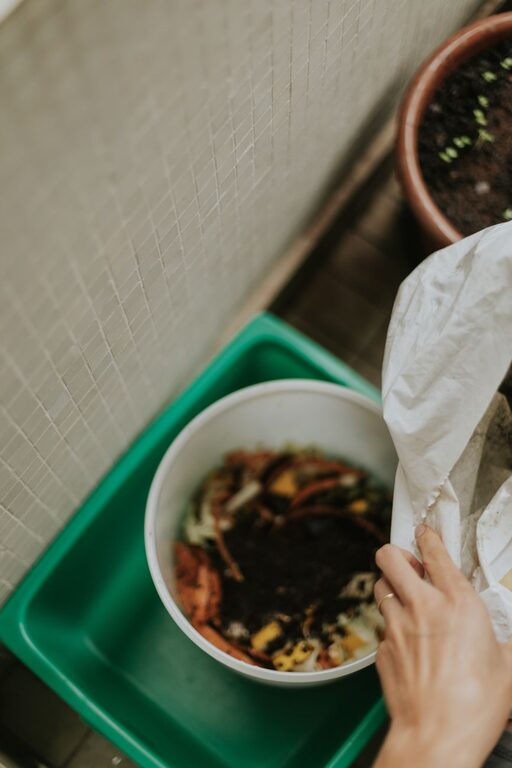
If you have food scraps that can’t be eaten or preserved, composting is a sustainable way to handle them. Compost turns organic waste into nutrient-rich soil, benefiting your garden and reducing landfill burden.
Educate and Involve Your Family
Everyone in the household can contribute to reducing food waste. Encourage family members to understand the importance and follow best practices for storing and using food wisely.
Keep Track of Waste
Pay attention to what you throw away most often. This insight helps you adjust your shopping and cooking habits to avoid repeating the same waste patterns.
—
By adopting these strategies, you can make a noticeable impact on reducing food waste in your home. Not only will you save money, but you’ll also contribute to a healthier planet. Start with small changes and build habits that support a more sustainable lifestyle.